
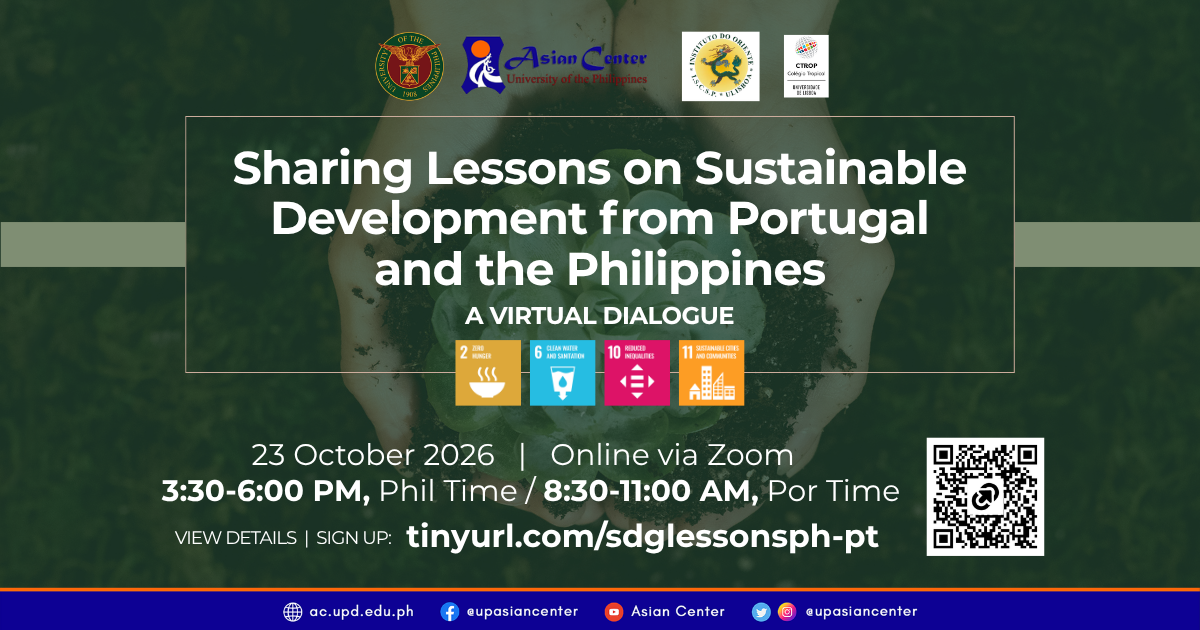







The UP Asian Center will be hosting a virtual dialogue, "Sharing Lessons on Sustainable Development from Portugal and the Philippines," on 23 October 2026, 3:30 - 6:00 PM, Manila Time, (8:30-11:00 AM, Portugal Time), Online via Zoom. The event is free and open to the public, but signing up for a (free) Zoom account is required.
ABOUT THE VIRTUAL DIALOGUE
Food security, water governance, and human mobility are closely interconnected development concerns. Food production depends on reliable access to water and labor, while shortages and disruptions may increase dependence on resources, workers, goods, and remittances from elsewhere. Examining these issues together provides a broader understanding of how countries respond to interconnected challenges affecting food systems, natural resources, livelihoods, and population mobility.
Portugal and the Philippines offer useful cases for comparative analysis. Portugal, historically a country of emigration, has increasingly become a destination for migrants and workers, while the Philippines remains a major labor-sending country and relies on overseas remittances and food imports, including rice. These contrasting experiences provide an opportunity to examine how water governance, food systems, labor, and migration intersect across national borders. Biosecurity concerns and agricultural shocks, including bluetongue in Portugal and African swine fever in the Philippines, further demonstrate the vulnerabilities affecting food systems and agricultural communities. This webinar aims to bring together scholars from the Universidade de Lisboa and the University of the Philippines Asian Center to discuss these interconnected issues through comparative perspectives. The discussion will focus on food security and water governance, followed by an examination of how these challenges relate to human migration and mobility.
This activity is also in line with the observance of World Development Information Day on 24 October. Established by the United Nations in 1972, the observance highlights development challenges, promotes the dissemination of development-related information, and emphasizes international cooperation in addressing these concerns. In the Philippines, the observance has been recognized alongside United Nations Day through development-oriented information, advocacy, educational, and public engagement activities.
ABOUT THE SPEAKERS
Dialogue 1: Food Security:Perspectives from Portugal and the Philippines
Moderator: Asst. Prof. Andrea Valente, University of Lisbon
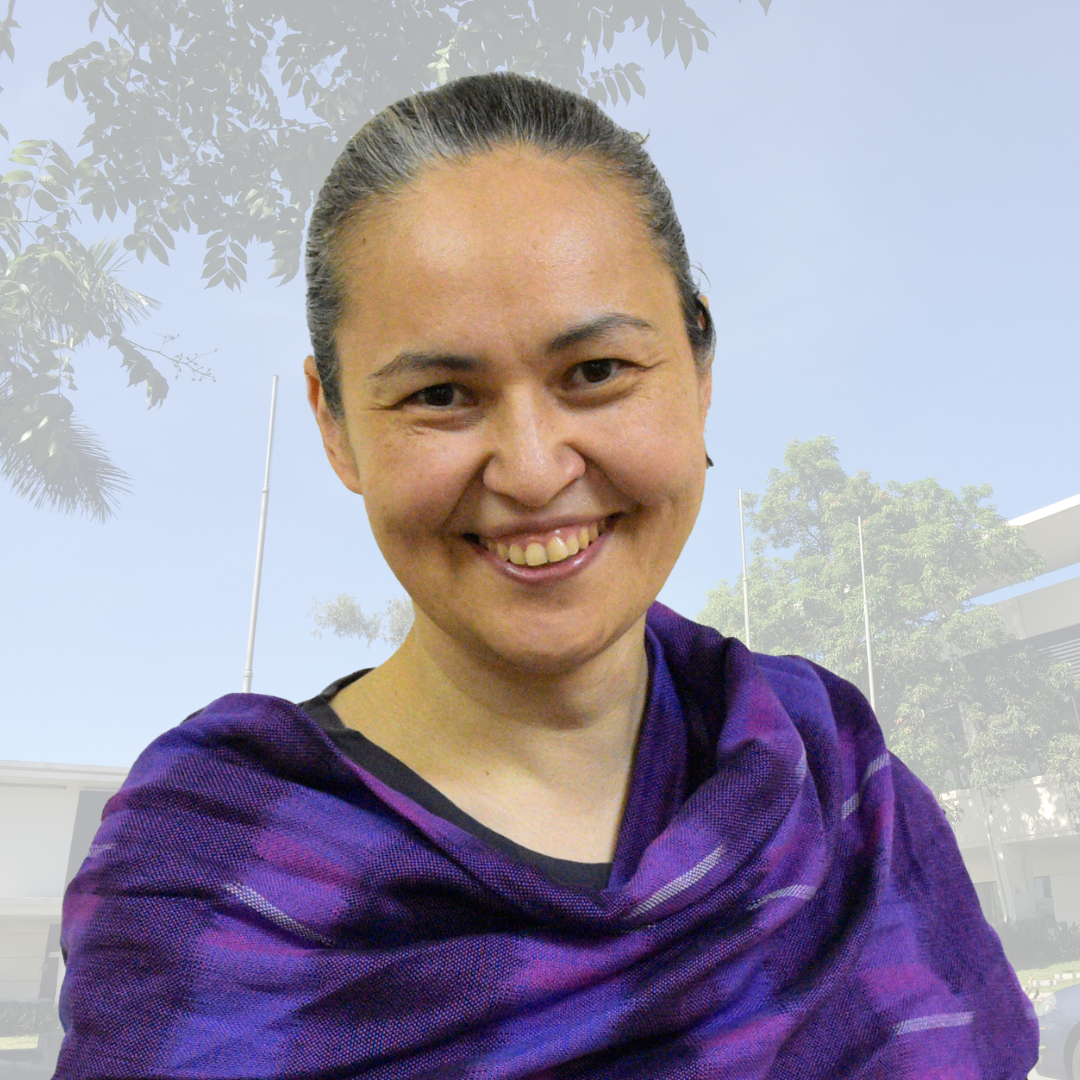
Dr. Aliya Peleo earned her Ph.D. from the Institute of China and Asia-Pacific Studies at National Sun Yat-sen University in Kaohsiung, Taiwan. She has an MA in International Development from the Graduate School of International Relations at the International University of Japan in Niigata, Japan. She has worked on a number of development projects in Central Asia with UNESCO, the Peace Corps/Kazakhstan, USAID, and ADB. Her research interests include biopolitics, cultural symbolism and identity, regionalism, international norms and development, and agriculture.
Ana I. F. Ribeiro-Barros is a Principal Researcher, Head of Laboratory, and Lecturer at the School of Agriculture (ISA), Forest Research Centre, University of Lisbon (ULisboa), where she also serves as Director of the Tropical College and a member of the scientific and executive committee for the PhD programme in Planetary Health Studies. She holds a PhD in Plant Molecular Biology from Wageningen University (1997) and a habilitation in Agricultural and Forestry Sciences from the Tropical Research Institute, Portugal (2010). Her research focuses on the management and characterization of agroforestry resources, integrating biodiversity, conservation genetics, ethnobotany, landscape genomics, molecular ecology, and plant–environment interactions. With extensive experience in international cooperation, capacity building, and knowledge transfer, her academic track record includes over 150 peer-reviewed international publications, participation in 70+ competitively funded projects, supervision of 60+ researchers across all levels, and involvement in 30+ capacity-building initiatives.
Dialogue 2: The State of Water Governance in Portugal and the Philippines
Moderator: Dr. Alexander Michael Palma, Asian Center, UP Diliman
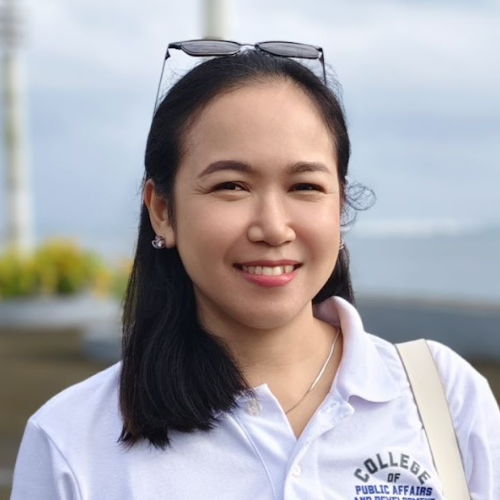
Samantha Geraldine G. De los Santos is an Assistant Professor and Coordinator for the Agrarian and Rurban Development Studies (ARDS) specialization at the College of Public Affairs and Development (CPAf), University of the Philippines Los Baños (UPLB). Her research focuses on nature-based solutions for climate change mitigation and adaptation, disaster risk reduction, socio-ecological landscapes, and the socio-economic and gender profiling of rural and lakeshore communities to support climate-resilient development planning. She teaches graduate courses in agrarian reform economics, institutional social dynamics, social psychology, sociology of education, and qualitative research methods for policy analysis. Previously a University Researcher (2016–2022) and Head of CPAf’s Knowledge Management Office (2021–2023), Asst. Prof. De los Santos holds an MA in Sociology and a BS in Agricultural Economics from UPLB.
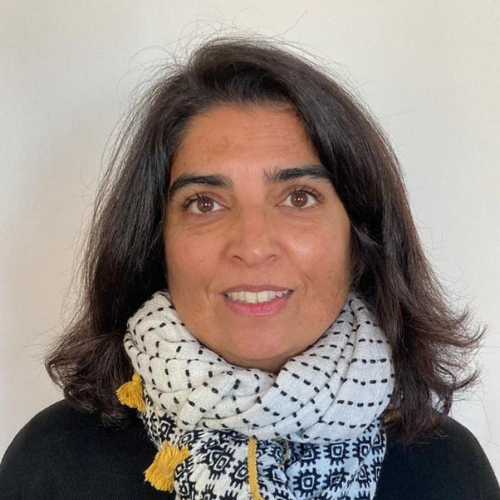
Teresa Melo is an Associate Professor at Instituto Superior Técnico, University of Lisbon, and a researcher at CERIS, specialising in hydrogeology and groundwater resources. Her work focuses on groundwater management, water scarcity and climate change, with particular attention to the links between water availability, agriculture, food security and sustainable development. She co-coordinates the Erasmus Mundus GroundwatCH programme at Técnico and is a partner of Waterways, a Técnico spin-off working on groundwater solutions for underserved communities. Her international experience includes projects in several tropical and developing-country contexts, including Angola, Tunisia, Cape Verde, Guatemala and Brasil.
Dialogue 3: Challenges to Human Migration and Mobility: Comparing Portugal and the Philippines
Moderator: Dr. Jocelyn O. Celero, Asian Center, UP Diliman
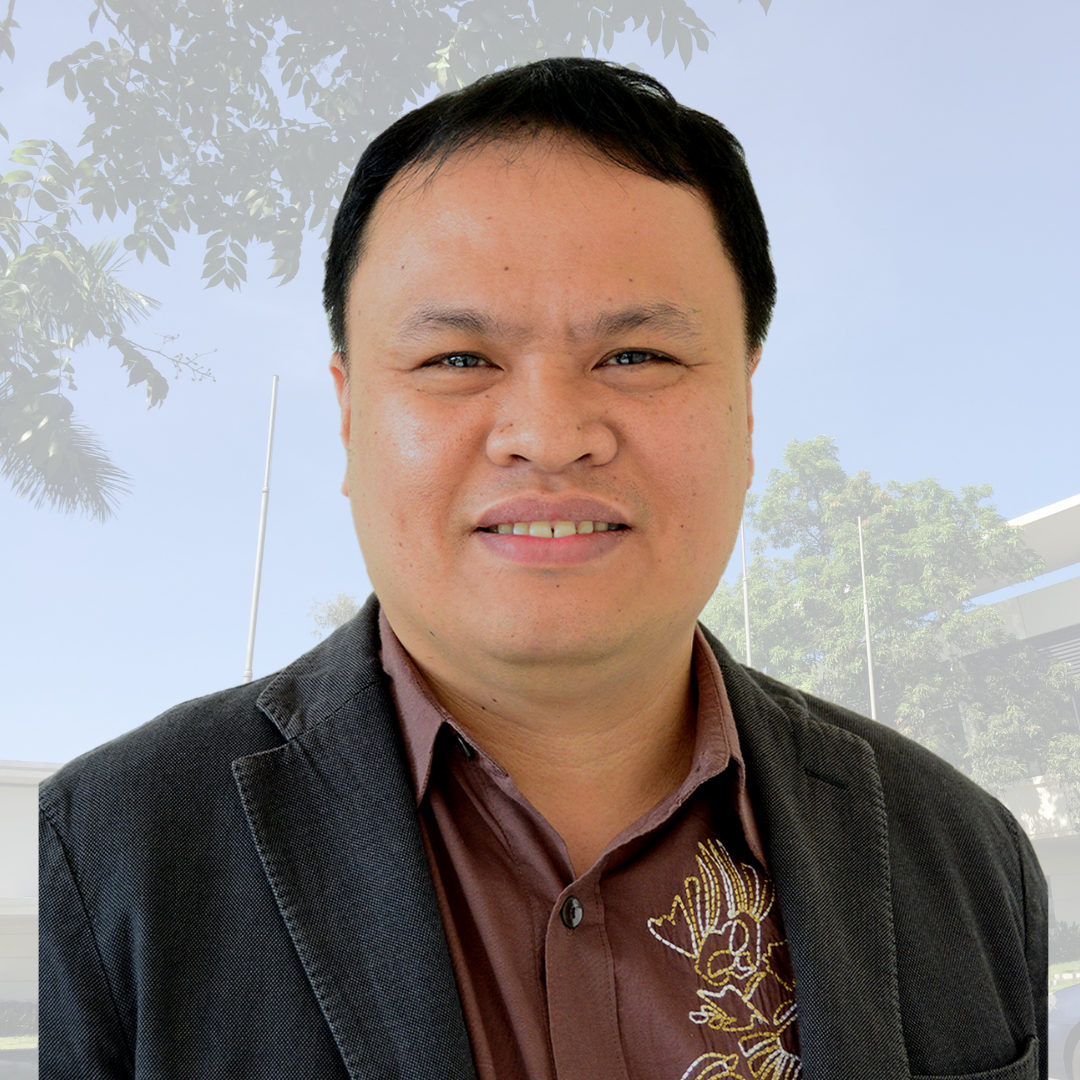
Dr. Joefe B. Santarita is a Professor at the Asian Center, University of the Philippines Diliman. He earned his Ph.D. in South Asian Studies from the National University of Singapore in 2012, following an M.A. in Asian Studies with a focus on Southeast Asia from the same institution in 2004. Dr. Santarita began his academic journey with a B.A. in History-Community Development from the University of the Philippines in the Visayas in 1997. His extensive educational background has equipped him with a profound understanding of Asian cultures, histories, and political economies. Dr. Santarita has made significant contributions to these fields through his research and publications specializing in Indian studies, migration studies, Philippine culture and society, maritime history, and Southeast Asian political economy.
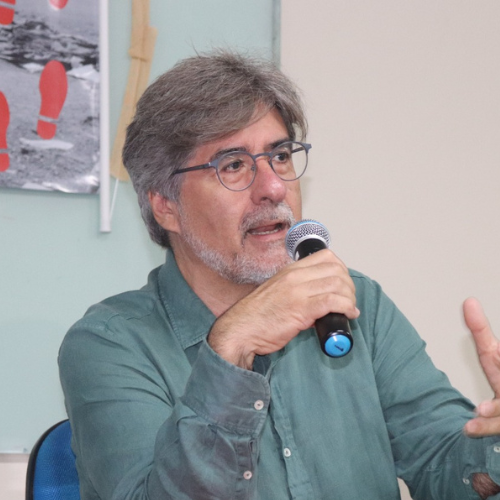
Jorge Macaísta Malheiros is an Associate Professor, Geographer, and Researcher within the ZOE and MIGRARE research groups at the Centre for Geographical Studies, Institute of Geography and Spatial Planning (IGOT), University of Lisbon, where he also serves as Vice-Director of the Tropical College. His research focuses on international migration, demography, urban social studies, geopolitics, social integration, and housing, backed by extensive national and international publications and project leadership. Additionally, he serves as the IGOT representative at the Observatory of Emigration, a board member of the Portuguese Council for Refugees (CPR), and the Portuguese correspondent for the OECD's Continuous Reporting System on Migration (SOPEMI, 2002–2026).
ABOUT THE ORGANIZERS
The activity is organized by the UP Asian Center in partnership with the Instituto do Oriente and the Colégio Tropical of the Universidade de Lisboa.
The webinar also contributes to the implementation of Sustainable Development Goals (SDGs), particularly SDG 2 (Zero Hunger) through its focus on food security; SDG 6 (Clean Water and Sanitation) through water governance; SDG 8 (Decent Work and Economic Growth) through its consideration of labor and mobility; SDG 10 (Reduced Inequalities) through its discussion of migration and unequal vulnerabilities; SDG 12 (Responsible Consumption and Production) through sustainable food systems; and SDG 17 (Partnerships for the Goals) through academic and international cooperation between Portugal and the Philippines.